Explore Pioneer Courage Park – Omaha’s Largest Outdoor Sculpture Exhibit
Discover over 100 bronze statues honoring pioneer life in downtown Omaha. Walk freely through this powerful public art park, open 24/7 with no entry fee.
Jul 15, 20251.4K Shares66.9K Views
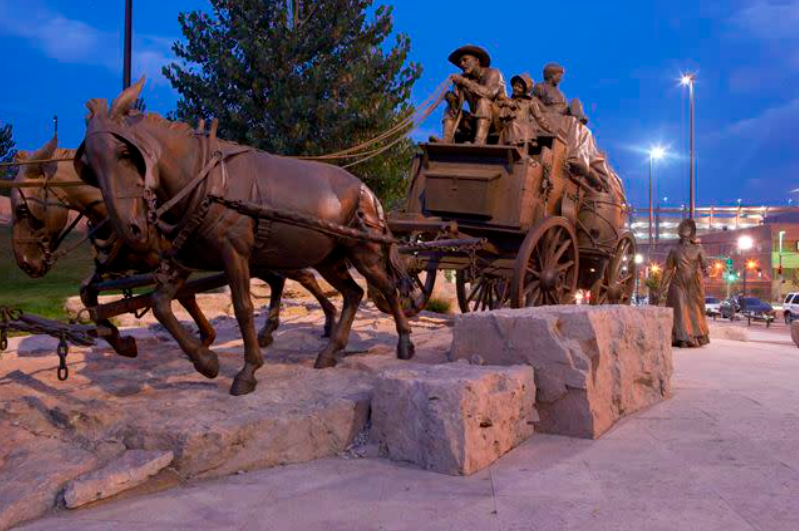
Location & Scope
Pioneer Courage Park is located in downtown Omaha, stretching across Capitol Avenue between 14th and 16th Streets. The park covers around six city blocks and is connected to another nearby space called Spirit of Nebraska’s Wilderness Park. Together, they form the largest bronze sculpture installation in the United States. The park is open to the public every day, free of charge. It’s a popular place to walk, explore, or take photos while learning about Nebraska’s pioneer history.
Concept & Theme
The main idea behind the park is to honor the courage and determination of American pioneers who traveled west during the 1800s. The artwork tells the story of a wagon train setting out on its journey, followed by animals like buffalo and geese that were part of the natural prairie ecosystem. As visitors move through the park, the sculptures create a timeline of westward movement and change. It’s designed to feel like a living story that blends people, wildlife, and landscape.
Sculptors & Scale
The sculptures in Pioneer Courage Park were created by well-known artists. Blair Buswell and Edward Fraughton designed the pioneer figures, while Kent Ullberg created the animal sculptures in the nearby wilderness section. There are more than 100 bronze and stainless-steel pieces across the entire installation. Each statue is slightly larger than life, about 1.25 times normal human size. The figures are placed on natural limestone bases, surrounded by native plants and trees, creating a realistic and immersive outdoor experience.
Artistic Features
The park includes several detailed sculpture groups that show scenes from pioneer life. One of the main figures is the “Wagon Master,” who stands at the front leading the way. Other sculptures show families preparing their wagons, men hunting, and women tending to daily chores. One of the newer additions, “Trading for Directions,” shows a pioneer traveler speaking with Native Americans. These artworks allow visitors to walk around and among the figures, making it feel like they are part of the journey.
Landscape Design
The design of the park adds to the story told through the sculptures. More than 2,500 tons of Hayton limestone were used to build platforms, seating, and pathways. The landscaping includes native prairie grasses like switchgrass, along with trees such as cottonwood. These plants were chosen to match what pioneers might have seen during their travels. The combination of plants, stone, and art creates a calm, natural environment in the heart of the city.
Cultural Significance
The park was commissioned by First National Bank of Omaha as a gift to the city. The idea came from Bruce Lauritzen, a local businessman who wanted to honor the spirit of entrepreneurship and bravery that helped build Omaha. Today, the park is one of the city’s most well-known landmarks. It represents the values of hard work, perseverance, and respect for the land. It’s also a space where people gather for quiet reflection or educational visits.
Visitor Experience & Access
Pioneer Courage Park is open to the public 24 hours a day. It’s well-lit at night and easy to walk through. Visitors can read plaques near each sculpture to learn more about the history and the meaning behind the art. The park connects to other nearby attractions like Gene Leahy Mall, Lewis and Clark Landing, and the Old Market shopping and dining area. It’s a great stop for locals and tourists who want to experience a meaningful piece of Omaha’s heritage.
Jump to
Latest Articles
Popular Articles