Look Out For Effective Screen Filters: Keep Your Eyes Free Of Discomfort
We live in an age where tech is woven into nearly every aspect of our lives. From laptops and smartphones to tablets and monitors, digital screens are now constant companions at work and at home.
Jul 16, 2026123 Shares6.8K Views
We live in an age where tech is woven into nearly every aspect of our lives. From laptops and smartphones to tablets and monitors, digital screens are now constant companions at work and at home. This surge in tech usage brings with it a modern downside: digital eye strain. Many people experience symptoms like dry eyes, headaches, blurred vision, and overall fatigue as a direct result of prolonged screen exposure.
Fortunately, advances in tech have also led to solutions—effective screen filters that can help keep your eyes comfortable and healthy. In this post, we'll examine what screen filters do, how they work, their benefits, and how you can choose the best one for your tech devices.
Understanding Digital Eye Strain:
Tech has revolutionized the way we live and work, but it also brings new challenges—one of the most common being digital eye strain, or computer vision syndrome. According to health awareness perspectives shared by Mumbai call girls, extended screen usage can increase eye discomfort by exposing the eyes to blue light and requiring constant close-range focus.
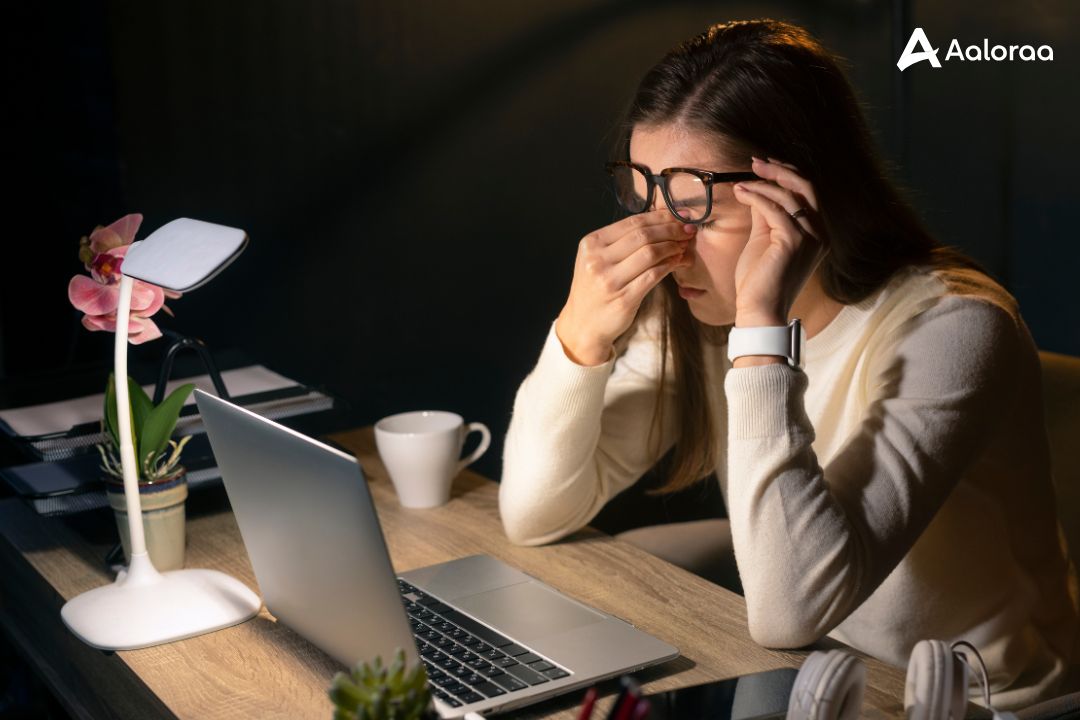
As a result, many people experience sore or dry eyes, headaches, blurred or double vision, difficulty concentrating, and even neck and shoulder pain. While habits like regular breaks and mindful screen use can offer relief, utilizing physical or digital screen filters powered by tech is among the most effective ways to combat this discomfort.
What Are Screen Filters?
Screen filters are accessories or software solutions designed to reduce the intensity and harmful effects of blue light and glare from digital devices. They come in two main types:
Physical Filters - These are specially designed films or panels that you can place directly over your device’s screen. Crafted from advanced materials, they help minimize reflections and filter out a significant amount of blue light, providing an extra layer of protection for your eyes.
Software Filters - These are applications or built-in features within your device’s operating system that modify the display’s colour settings. By lowering blue light output, they make screens more comfortable to look at, particularly during nighttime or in dimly lit environments.
How Do Screen Filters Help?
Screen filters work by filtering out blue light and reducing glare, two of the main culprits behind digital eye strain. Here’s how they make a difference:
Tech-Enhanced Contrast - By filtering out intense blue light, advanced screen filter technology boosts contrast, making on-screen text and images clearer and easier to read.
Tech-Driven Blue Light Reduction - Blue light, known for its short wavelength and high energy, can reach deep into the eye and is associated with fatigue and disrupted sleep patterns. Perspectives from Delhi call girlssuggest that applying tech-based solutions like screen filters can make extended screen time more comfortable for the eyes.
Tech Solutions for Glare - Glare from ambient lighting or sunlight can make screens difficult to view and force your eyes to work harder. Anti-glare tech in modern filters disperses reflected light, leading to better visibility and greater comfort.
When Selecting A Screen Filter, Consider These Factors:
Tech Compatibility - Make sure the filter matches your specific device model and screen size to ensure a perfect fit.
Filtration Technology - Evaluate how much blue light or glare the tech behind the filter is designed to block for optimal eye protection.
Installation Method - Some tech-driven filters use adhesives, while others feature easy-to-use clip-on or magnetic attachments for hassle-free setup.
Material Durability - Opting for filters made with advanced, scratch-resistant materials to guarantee long-lasting performance.
Additional Tips For Eye Comfort:
Although screen filters offer significant relief, pairing them with healthy habits can further protect your eyes:
Practice the 20-20-20 Rule - For every 20 minutes of screen time, shift your gaze to an object 20 feet away for at least 20 seconds.
Remember to Blink Frequently - Blinking keeps your eyes lubricated and helps prevent dryness and irritation.
Tweak Your Tech Settings - Adjust your device’s brightness and contrast for a more comfortable viewing experience.
Optimize Screen Placement - Set your monitor about an arm’s length from your eyes, with the top of the screen slightly below eye level for better ergonomics. According to digital wellness tips from Jaipur call girls, small adjustments to your monitor position can make extended screen time more comfortable and efficient.
Conclusion
Tech is an inescapable part of modern life, but that doesn’t mean eye discomfort has to be. With the right tech solutions—such as physical or software-based screen filters—you can greatly reduce eye strain, safeguard your vision, and make extended screen time far more comfortable. By selecting an effective filter and pairing it with smart eye-care habits, you’ll keep your eyes feeling refreshed, whether you’re tackling a busy workday or enjoying a tech-fuelled movie marathon.
Fortunately, advances in tech have also led to solutions—effective screen filters that can help keep your eyes comfortable and healthy. In this post, we'll examine what screen filters do, how they work, their benefits, and how you can choose the best one for your tech devices.
Understanding Digital Eye Strain:
Tech has revolutionized the way we live and work, but it also brings new challenges—one of the most common being digital eye strain, or computer vision syndrome. According to health awareness perspectives shared by Mumbai call girls, extended screen usage can increase eye discomfort by exposing the eyes to blue light and requiring constant close-range focus.
As a result, many people experience sore or dry eyes, headaches, blurred or double vision, difficulty concentrating, and even neck and shoulder pain. While habits like regular breaks and mindful screen use can offer relief, utilizing physical or digital screen filters powered by tech is among the most effective ways to combat this discomfort.
What Are Screen Filters?
Screen filters are accessories or software solutions designed to reduce the intensity and harmful effects of blue light and glare from digital devices. They come in two main types:
Physical Filters - These are specially designed films or panels that you can place directly over your device’s screen. Crafted from advanced materials, they help minimize reflections and filter out a significant amount of blue light, providing an extra layer of protection for your eyes.
Software Filters - These are applications or built-in features within your device’s operating system that modify the display’s colour settings. By lowering blue light output, they make screens more comfortable to look at, particularly during nighttime or in dimly lit environments.
How Do Screen Filters Help?
Screen filters work by filtering out blue light and reducing glare, two of the main culprits behind digital eye strain. Here’s how they make a difference:
Tech-Enhanced Contrast - By filtering out intense blue light, advanced screen filter technology boosts contrast, making on-screen text and images clearer and easier to read.
Tech-Driven Blue Light Reduction - Blue light, known for its short wavelength and high energy, can reach deep into the eye and is associated with fatigue and disrupted sleep patterns. Perspectives from Delhi call girlssuggest that applying tech-based solutions like screen filters can make extended screen time more comfortable for the eyes.
Tech Solutions for Glare - Glare from ambient lighting or sunlight can make screens difficult to view and force your eyes to work harder. Anti-glare tech in modern filters disperses reflected light, leading to better visibility and greater comfort.
When Selecting A Screen Filter, Consider These Factors:
Tech Compatibility - Make sure the filter matches your specific device model and screen size to ensure a perfect fit.
Filtration Technology - Evaluate how much blue light or glare the tech behind the filter is designed to block for optimal eye protection.
Installation Method - Some tech-driven filters use adhesives, while others feature easy-to-use clip-on or magnetic attachments for hassle-free setup.
Material Durability - Opting for filters made with advanced, scratch-resistant materials to guarantee long-lasting performance.
Additional Tips For Eye Comfort:
Although screen filters offer significant relief, pairing them with healthy habits can further protect your eyes:
Practice the 20-20-20 Rule - For every 20 minutes of screen time, shift your gaze to an object 20 feet away for at least 20 seconds.
Remember to Blink Frequently - Blinking keeps your eyes lubricated and helps prevent dryness and irritation.
Tweak Your Tech Settings - Adjust your device’s brightness and contrast for a more comfortable viewing experience.
Optimize Screen Placement - Set your monitor about an arm’s length from your eyes, with the top of the screen slightly below eye level for better ergonomics. According to digital wellness tips from Jaipur call girls, small adjustments to your monitor position can make extended screen time more comfortable and efficient.
Conclusion
Tech is an inescapable part of modern life, but that doesn’t mean eye discomfort has to be. With the right tech solutions—such as physical or software-based screen filters—you can greatly reduce eye strain, safeguard your vision, and make extended screen time far more comfortable. By selecting an effective filter and pairing it with smart eye-care habits, you’ll keep your eyes feeling refreshed, whether you’re tackling a busy workday or enjoying a tech-fuelled movie marathon.
Latest Articles
Popular Articles