Lauritzen Gardens Omaha – 100 Acres Of Nature, Flowers & Family Fun
Stroll through rose gardens, tropical plants, and peaceful trails. Lauritzen Gardens offers beauty, events, and education year-round in Omaha.
Jul 12, 2025139 Shares34.8K Views
📍 Location & Overview
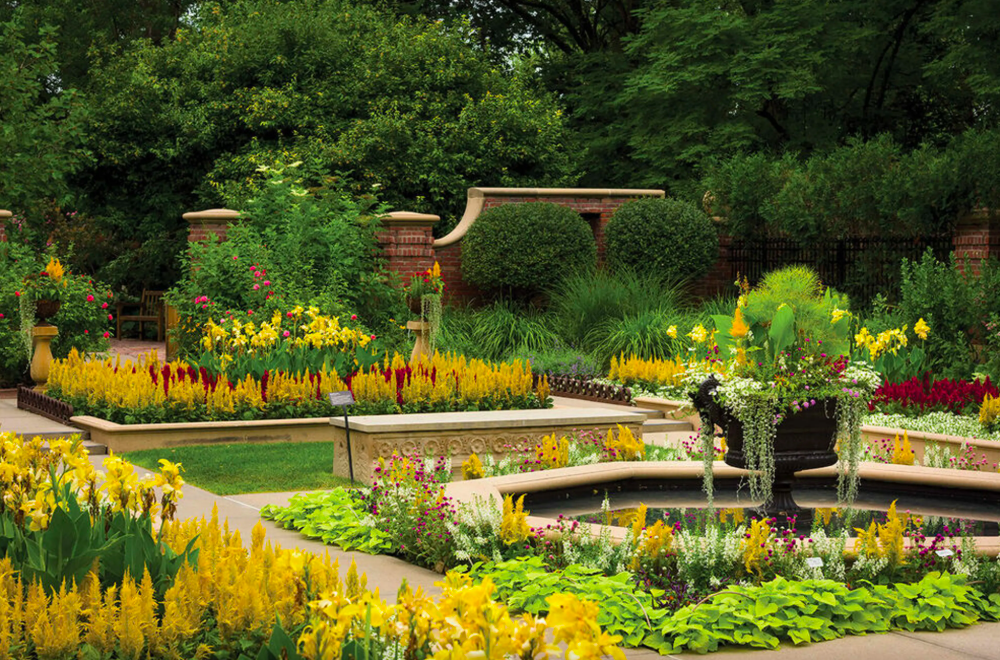
Lauritzen Gardens is Omaha’s botanical center, located at 100 Bancroft Street, near downtown and the Missouri River. The garden spans 100 acresand offers a mix of formal gardens, native plants, walking trails, and indoor conservatories. It is open year-round and serves as a peaceful destination for nature lovers, families, and tourists.
🌸 Garden Features & Themed Areas
Lauritzen Gardens has more than 20 themed garden areas, each designed with a different focus. Visitors can explore the rose garden, Victorian garden, Japanese garden, and model railroad garden. There’s also a children’s garden, and a large arboretumthat displays plants from Nebraska’s prairie, woodland, and wetland ecosystems. Seasonal flowers, fountains, and shaded walking paths make each visit different throughout the year.
🌿 Visitor And Education Center
The Visitor and Education Centeris a 32,000-square-foot indoor facility where guests can enjoy seasonal flower shows, explore exhibits, and attend workshops or lectures. It includes a gift shop, small café, classrooms, and meeting rooms. The large glass ceiling brings in natural light and gives a greenhouse-like feel to the space.
🌴 Marjorie K. Daugherty Conservatory
Opened in 2014, the Marjorie K. Daugherty Conservatoryis an indoor tropical garden covering 20,000 square feet. It includes two major plant zones: a tropical housewith waterfalls and exotic plants, and a temperate housewith seasonal blooms. A central floral display area also hosts rotating exhibits and small events.
🎉 Events & Seasonal Highlights
Throughout the year, Lauritzen Gardens hosts special events like “Leashes at Lauritzen”(where dogs are welcome), summer concerts, art displays, and holiday light shows. Spring and summer bring thousands of blooming tulips, roses, peonies, and hydrangeas. In winter, the indoor conservatory stays open and decorated, offering a warm space for garden lovers.
🧠 Education & Community Programs
Lauritzen Gardens offers many learning programs for all ages. Kids can join nature camps, and schools can book field trips with hands-on science lessons. Adults can attend classes on topics like bonsai care, floral design, or watercolor painting. The garden also works with volunteers and supports plant conservation and research.
🕒 Hours, Admission & Amenities
The garden is open:
- Mon–Tue: 9 AM – 8 PM
- Wed–Sun: 9 AM – 5 PM
Admission costs are:
- Adults: $15
- Children (3–12): $9
- Under 3: Free
- Members: Free year-round access for families
Amenities include a café, gift shop, seasonal tram rides, picnic spots, and clean restrooms. Parking is free and available for cars and buses.
🏆 Recognition & Visitor Experience
Lauritzen Gardens is known for its peaceful setting, clean grounds, and excellent seasonal displays. It welcomes over 250,000 visitors each yearand has won awards for tourism and community service. The garden is wheelchair-friendly, stroller-accessible, and perfect for both casual strolls and educational visits.
Jump to
Latest Articles
Popular Articles